All Categories
Featured
Table of Contents
Capital expense planning requires particular attention to timing and cash flow ramifications. Think about how scheduled investments in devices, technology, or centers will impact both operational efficiency and financial efficiency. Examine the roi for proposed capital jobs and prioritise those that align most carefully with your tactical goals. Moving beyond standard budgeting needs carrying out advanced forecasting techniques that improve accuracy and provide deeper insights into company performance.
Carry out driver-based forecasting that connects financial outcomes to specific company metrics. This technique creates more transparent connections between functional activities and monetary results, making it simpler to recognize the origin of variances and change strategies accordingly. For retail services, this might involve forecasting based upon footfall and conversion rates, while service businesses may concentrate on billable hours and utilisation rates.
The Impact of Automated Resource Tagging on Cloud BudgetsStrategies such as regression analysis, moving averages, and seasonal adjustment can provide important insights, especially for businesses with complex income patterns or several item lines. Consider executing continuous forecasting processes that update forecasts frequently based on real efficiency and altering market conditions. This method supplies more timely insights than traditional quarterly reforecasting and enables faster reaction to emerging chances or difficulties.
This broader perspective assists determine trends and risks that internal information alone might not reveal. The uncertainty surrounding financial conditions, regulative changes, and market characteristics makes scenario planning an essential element of efficient budget preparation. Instead of depending on a single forecast, establishing multiple scenarios assists companies prepare for different prospective outcomes and preserve strategic flexibility.
This circumstance must integrate sensible assumptions about market conditions, competitive characteristics, and internal abilities. The base case works as your primary planning document whilst acknowledging that real results will likely differ from these forecasts. Develop optimistic and cynical circumstances that explore the possible effect of favourable or challenging conditions. The positive scenario may assume more powerful economic growth, successful new item launches, or favourable regulative modifications.
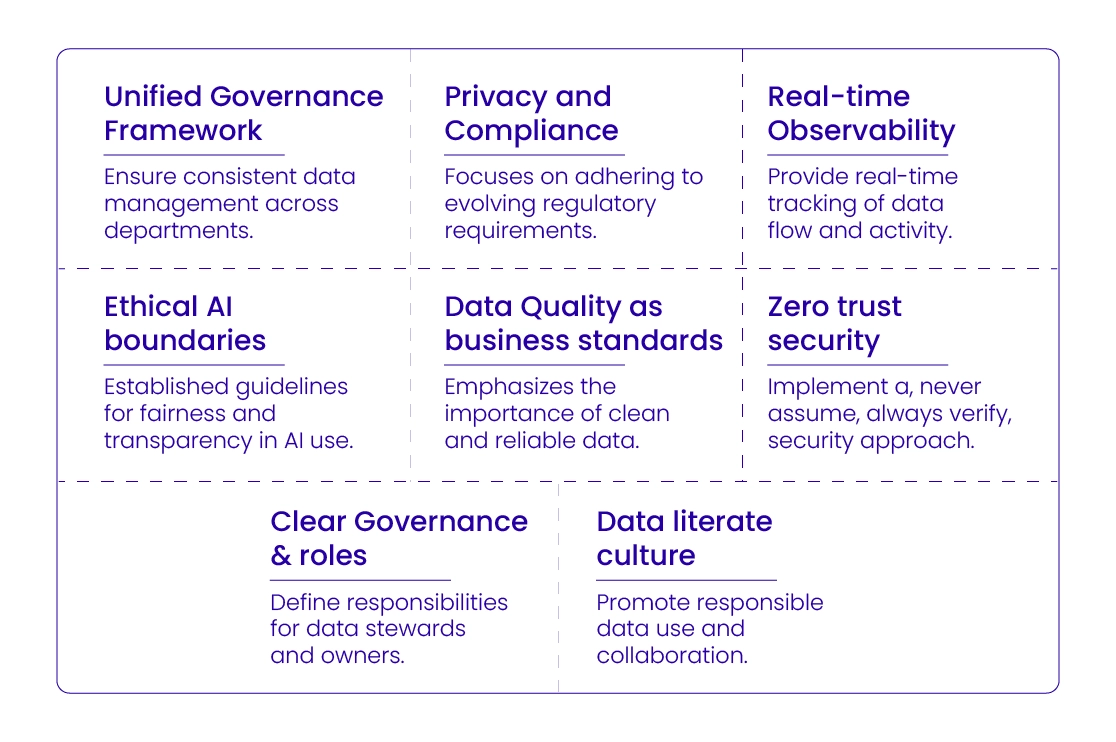
Key Metrics for Enterprise Resource Optimization
Think about establishing particular circumstances around essential danger aspects or opportunities that could substantially affect your organization. These may include situations based on significant customer losses, technological interruptions, regulatory changes, or market growth opportunities. By quantifying the potential impact of these occasions, you can develop contingency plans and determine early caution indications.
This process includes screening how your monetary forecasts would perform under severe scenarios, such as substantial profits declines or unforeseen boost. Document the assumptions underlying each circumstance and establish trigger points that show when scenarios are moving towards particular results. This structure allows more proactive management reactions and helps keep tactical focus throughout periods of unpredictability.
Modern budgeting software application provides abilities that extend far beyond standard spreadsheet-based approaches, using higher precision, cooperation, and analytical insights. Cloud-based budgeting platforms make it possible for real-time cooperation in between employee and supply centralised data management that reduces errors and improves version control. These systems generally offer automated data combination from accounting systems, decreasing manual data entry and improving precision.
Dashboard-style reporting supplies real-time exposure into key performance indications and makes it much easier to recognize trends and variations that require attention. Expert system and machine knowing abilities are progressively being integrated into budgeting software application, supplying automated forecasting suggestions based on historical patterns and external data sources. While these tools require mindful recognition, they can substantially improve forecasting precision and minimize the time required for budget plan preparation.
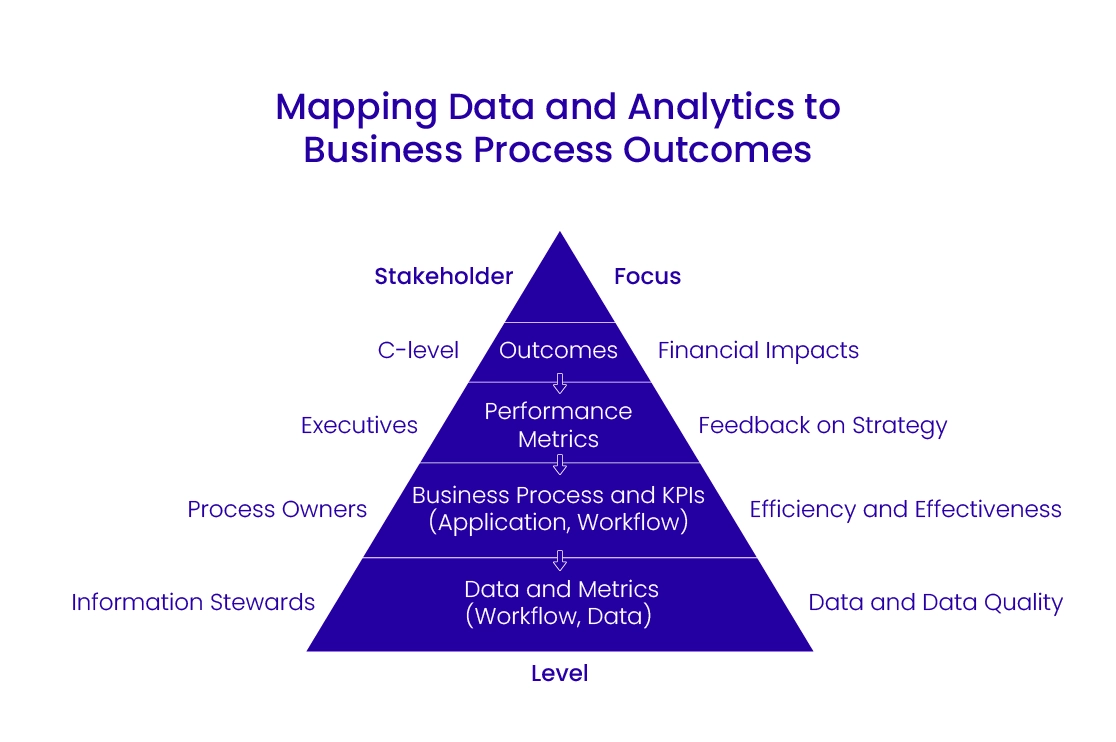
Key KPI for IT Resource Management
This standardisation improves the quality of budget submissions and lowers the time required for debt consolidation and evaluation. Efficient budget plan preparation requires input and buy-in from stakeholders across the organisation. Carrying out collaborative preparation processes makes sure that budget plans reflect operational truths and get the support needed for effective execution. Establish clear roles and responsibilities for budget plan preparation, guaranteeing that departmental managers comprehend their contribution to the overall planning procedure.
The Impact of Automated Resource Tagging on Cloud BudgetsProduce opportunities for cross-functional dialogue during the planning procedure. Sales and marketing teams can provide insights into client need and competitive characteristics, whilst operations groups can recognize effectiveness chances and capacity restraints. This collaboration enhances the accuracy of presumptions and helps recognize prospective conflicts between department goals. Execute review procedures that confirm presumptions and obstacle unrealistic projections.
Producing an effective budget is just the very first step in successful financial preparation. Executing robust monitoring and change processes makes sure that budget plans remain pertinent and helpful throughout the year as scenarios alter.
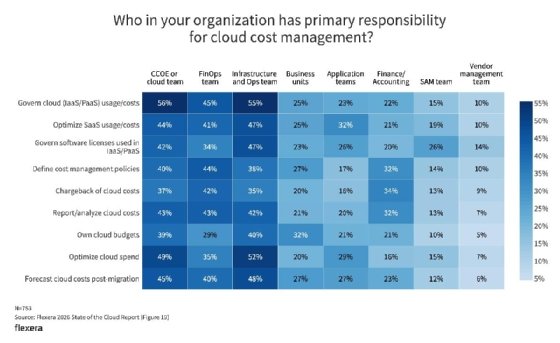
Month-to-month reporting usually provides the right balance between timeliness and administrative problem, though some key metrics may benefit from more regular tracking. Develop variation analysis processes that exceed simple actual-versus-budget comparisons to identify the root triggers of distinctions and their implications for future performance. This analysis needs to identify in between temporary fluctuations and basic modifications that require budget adjustments.

Latest Posts
Is the Enterprise Budget Ready for 2026?
Streamlining Resource Distribution Across IT Infrastructures
Essential KPI for IT Resource Optimization