All Categories
Featured
Table of Contents
IT governance structures assist align IT assets with company objectives and assistance efficient decision-making. Secret objectives of an IT governance framework include strategic alignment, worth delivery, risk management, resource management, and performance measurement. Common structures consist of COBIT, ITIL, COSO, CMMI, and FAIR, each resolving different elements of IT governance. Implementing an IT governance framework provides benefits such as enhanced stakeholder trust, expense savings, and enhanced performance exposure.
At Waydev, we understand that things are quite complicated when it pertains to IT Governance planning in an organization. Linking IT and corporate structures while guaranteeing that both are part of a synchronized method and strive for the very same goal service success is not a simple job. To assist you function as an essential part of Business Governance and deploy the IT governance structures at its best, we will walk you through the concept, its goals and methods, and its benefits and provide you tips and tricks on releasing it successfully.
Check out even more to discover how to monitor KPIs and budgets to make the work for you. There are a few IT Governance meanings out there, however the most basic method to explain the process is to define it as a pillar of business Governance. This set of policies allows Engineering executives to deploy effective decision-making procedures that ensure IT possessions offer top worth to the business and its stakeholders.
Comprehensive IT Resource Allocation for Efficiency
On a big scale, the IT governance structure is a part of the overall business governance. Business execute for organizational purposes. CIOs face enormous pressure to adhere to stakeholders' requirements, from their workers and associates to their investors or even guiding committees. In this context, carrying out well, making sure operational efficiency, and sound resource management are obligatory.
Good IT governance practices make sure the value propositions are constant and that IT efforts are in line with the business's general operations. This is, possibly, the core goal of IT governance. This IT Governance requirement needs a transparent method.
Engineering Managers can recognize how bug fixes and concerns effect roadmap and sofware delivery. A well developed IT gouvernance allows Engineering Supervisors to measure their teams' software application delivery speed and throughput, create reports with actionable insights and recognize improvement chances. In doing so, they asses software application development performance and line up delivery speed with quality and business needs.
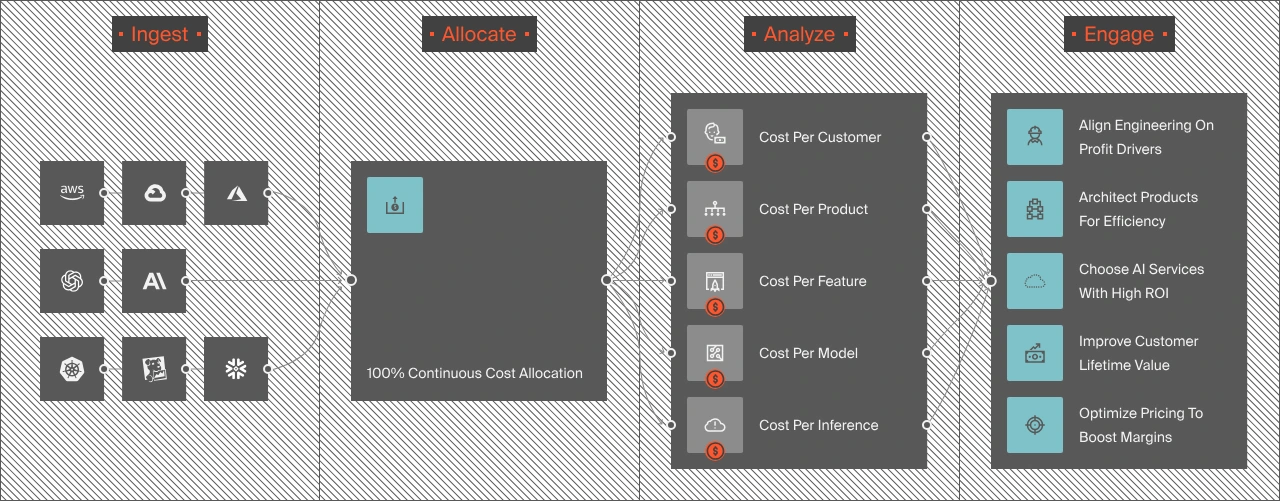
Effective Methods for Optimizing Cloud Costs in 2026
They're aggregated from your CI/CD tools. The requirement to facilitate much better IT Governance has actually resulted in the production and adoption of specific frameworks, such as Control Goals for Information and related Technology (COBIT), Infotech Facilities Library (ITIL), and the Capability Maturity Design Integration (CMMI), COSO structure, and the Factor Analysis of Details Danger (FAIR).
Maintaining Solid IT Cost Governance StandardsIt makes it possible for companies to lower costs, develop and release personal privacy standards and assistance supervisors organize and supervise tech procedures. The thorough IT governance framework structure referrals thirty-seven IT processes, focusing on inputs, outputs, goals, and efficiency metrics. To keep up with the tech world's everchanging requirements and obstacles, COBIT 2019 is based on six core concepts: Supplying stakeholder worth through resource balance and actionable strategies.
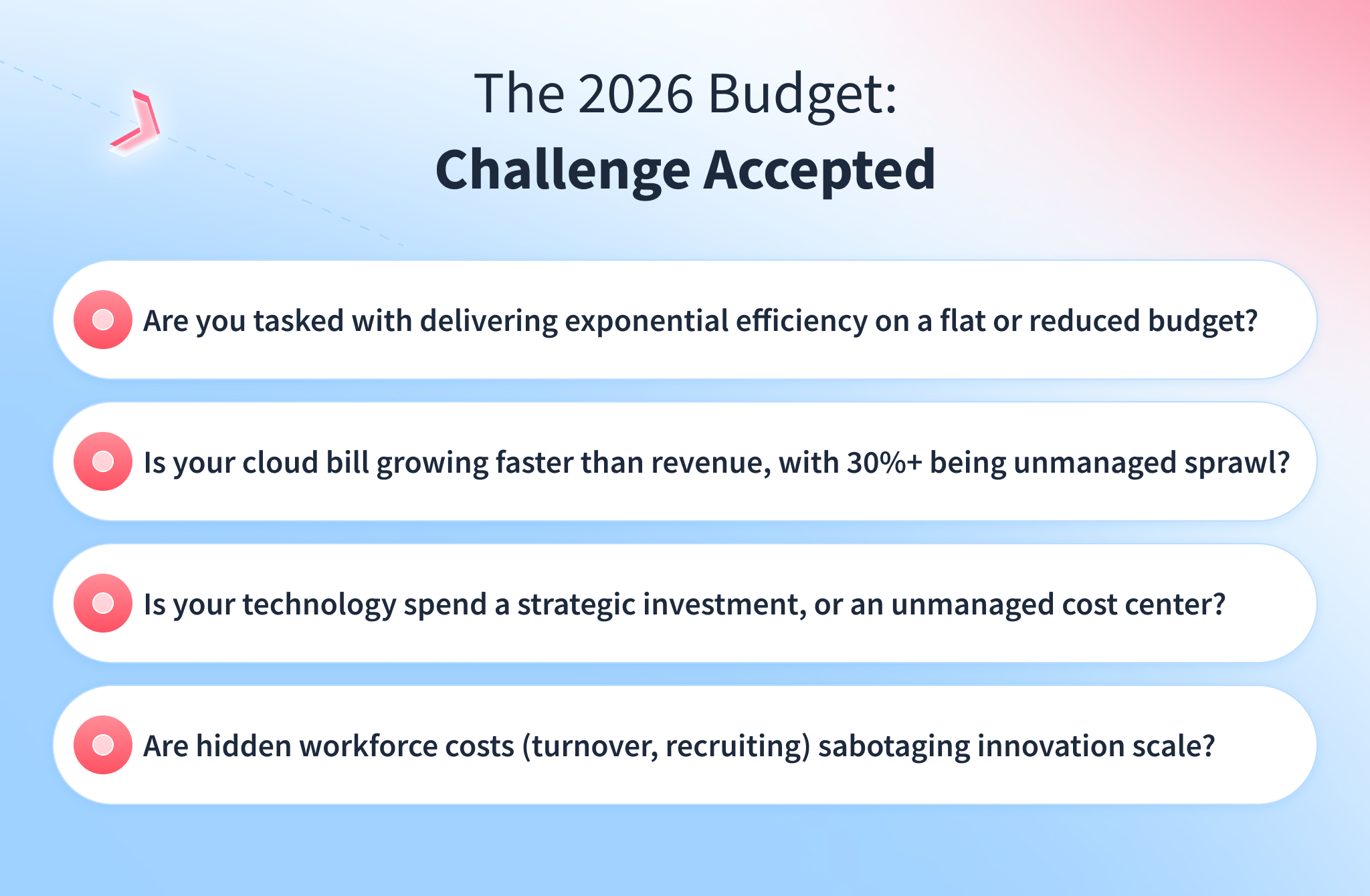
Understanding that whatever is vibrant and one modification might impact the entire EGit system. Governance and management aren't constantly associated. Governance must constantly be customized to the company's requirements and capacity. Governance concentrates on all technical functions utilized in the company. Furthermore, another version of COBIT places much worth on helping tech leaders in understanding that their commitments cover beyond the real release of the IT Governance structure.
Auditing Cloud Resource Allocation ModelsThis internationally recognized integrated framework offers IT Governance examples for best practices, focusing on using IT to drive service advancement, growth, and improvement. ITIL 4, the current version readily available, addresses present obstacles while also incorporating more recent SDLC processes, like Agile and DevOps, and cloud innovations. The upgraded technique enables CIOs to assess IT Governance's influence on the company, streamline operational procedures, break down silos by cultivating collaboration and co-creation, constructing trust among stakeholders.

Latest Posts
Is the Enterprise Budget Ready for 2026?
Streamlining Resource Distribution Across IT Infrastructures
Essential KPI for IT Resource Optimization