All Categories
Featured
Table of Contents
It works as a direct and unvarnished sign of process quality and resourcefulness. represents lost time and labor invested fixing mistakes. symbolizes wasted materials and sunk costs. frequently involve extra parts and specialized labor. The FPY computation is straightforward: (Variety of systems finished correctly on the first pass)/ (Overall variety of units going into the procedure).
Companies like Intel, which keep FPY above 99% in intricate semiconductor manufacturing, show the power of this metric in attaining remarkable quality and expense control. Executing FPY starts with plainly specifying what makes up a "problem" at each crucial stage of your workflow. This is not restricted to production; for a law office, a problem might be an agreement with mistakes needing modification.
Step the yield at each private action of the procedure. This develops a "Rolled Throughput Yield" (RTY) that offers a more precise picture of end-to-end procedure health and pinpoints the precise stages where flaws are most frequently presented.
A dip in FPY at a particular phase, like tablet finishing or product packaging, immediately triggers a root cause analysis to avoid defective items from ever reaching the marketplace. By concentrating on FPY, you shift your team's frame of mind from just fixing problems to preventing them from happening in the very first place.
Key ROI KPIs for 2026 Infrastructure
Labor Efficiency is a basic operational performance metric that measures the genuine output created per unit of labor input. It quantifies how successfully a company changes work hours into important products or services, normally expressed as output per worker or output per hour. This metric is a cornerstone for examining organizational health, comparing performance in time, and benchmarking versus industry leaders.
is the overall hours worked or the variety of employees needed to create that output. is the ratio of Output to Labor Input, supplying a clear sign of human resource usage. The core concept, popularized by management thinkers like Frederick Taylor and Peter Drucker, is that methodically enhancing how work is done straight increases worth production.
This is one of the most direct for service-based firms, consisting of accounting, legal, and nonprofit organizations. Start by defining a clear and constant unit of output for a particular group or function. For an accounting company, this might be "income tax return filed per accounting professional monthly." For a law office, it might be "billable hours per paralegal." Consistency is essential to tracking patterns accurately.
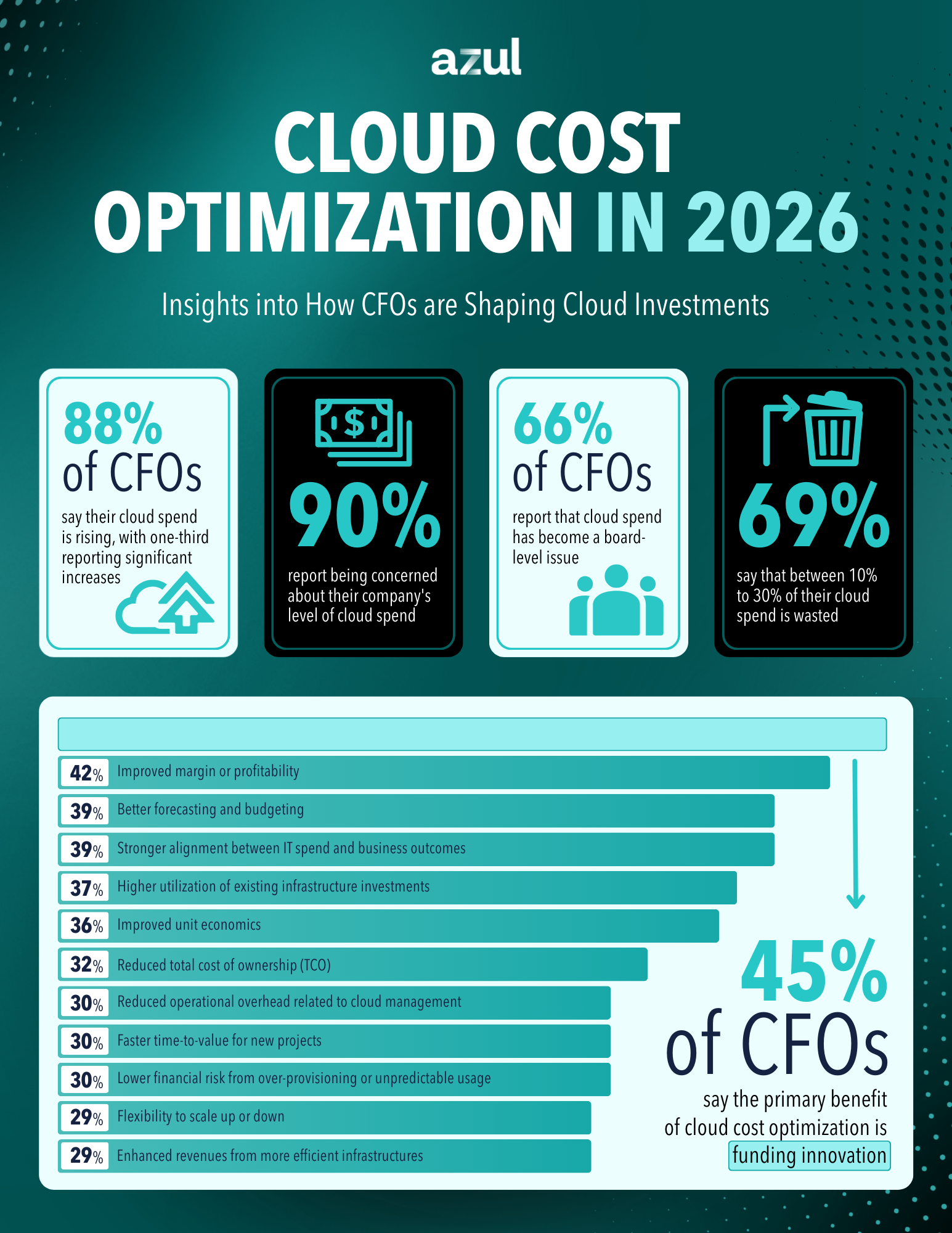
Why Cloud Metrics Are Critical for 2026
Always set labor efficiency with a quality metric. For instance, track "customer cases solved per agent" along with "customer satisfaction ratings (CSAT)" to make sure effectiveness gains do not come at the cost of service quality. UPS famously enhanced chauffeur efficiency by over 12% using its path optimization software (ORION) and lorry telematics.
Many accounting firms now utilize cloud-based platforms to automate information entry, releasing up experts to manage more high-value customer advisory jobs and thus increasing their total performance. By determining and examining labor performance, organizations can recognize opportunities to improve organization performance through better procedures, targeted training, or tactical technology adoption.

The Possession Utilization Rate is a basic metric that measures how efficiently a company leverages its assets to produce income or worth. This essential performance indicator is among the most direct, examining the percentage of time an asset is actively contributing versus its total potential capability. It applies to everything from physical machinery and server racks to software licenses, exposing whether capital expense are providing their expected return.
Streamlining Resource Allocation for Better ROI
In cloud environments, it tracks the utilization of server CPU, memory, or storage against provisioned capability. In service industries, it can measure billable hours versus overall paid hours for specialists or lawyers. The rate is computed by dividing actual use by the maximum possible use (Actual Output/ Optimum Potential Output).
For example, Netflix famously re-architected its systems to accomplish over 90% server utilization, drastically reducing waste in its enormous cloud facilities through predictive auto-scaling. Begin by cataloging your most considerable capital assets, both physical and digital. For a small company, this might be a single shipment vehicle or its main application server.
Don't chase a 100% usage rate at the cost of durability. For physical equipment and digital facilities alike, scheduling downtime for preventive maintenance is crucial. Pressing assets to their outright limit without breaks typically results in premature failure and more costly, unplanned interruptions. Southwest Airlines offers a traditional example, regularly preserving over 11 flight hours per aircraft daily, well above the market average of 8-9 hours.

Latest Posts
Is the Enterprise Budget Ready for 2026?
Streamlining Resource Distribution Across IT Infrastructures
Essential KPI for IT Resource Optimization